
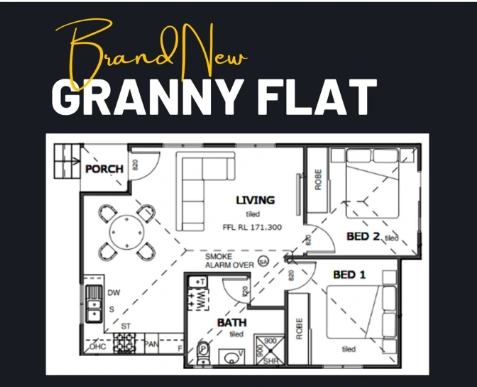
The way Sydney homeowners view backyards shifted in 2026. Sky-high property prices, changing family dynamics, and the need for versatile living spaces mean a smart granny house layout has grown into one of the most intelligent investments you can make on your land.
Across Sydney, families are choosing modern granny houses for ageing parents, adult children, guest accommodation, rental income, and even home-office solutions. The secret behind a successful project often comes down to one thing: the right granny house layout.
Actual liveable space, natural sunlight, and a sense of privacy are what make or break a home. A granny house layout might look absolutely flawless on a blueprint, but it can easily feel boxed and awkward day-to-day if it isn’t drawn up with care. Flip that scenario, and a truly clever layout can make a compact footprint feel incredibly open, breezy, and welcoming.
Sydney’s residential landscape is changing rapidly. Smaller blocks, stricter planning regulations, and modern lifestyle expectations are encouraging homeowners to think creatively. As a result, granny house layout Sydney trends are becoming more innovative, stylish, and practical than ever before.
Planning Around Sydney Blocks With Real Constraints
Many people begin a project by looking at online blueprints. The problem is that a generic online granny house layout rarely reflects the conditions found on actual Sydney blocks. Narrow side access, sloping terrain, drainage easements, protected trees, and neighbouring structures often change the design direction before approvals even begin.
One project involved a homeowner who was determined to replicate a granny house layout seen at a display village. The design worked beautifully on a wide block but struggled on the owner’s narrow site. Several redesigns followed, engineering costs increased, and approval delays stretched the timeline. The dwelling eventually worked.
There is often pressure to maximise every available square metre. That advice sounds sensible until outdoor space becomes unusable or privacy starts disappearing. Experienced builders generally look for balance rather than maximum size. A slightly smaller granny house layout with better orientation and usable external areas often performs better than a larger building that overwhelms the site.
Why Smart Space Allocation Beats Bigger Floor Areas
One of the most common assumptions in residential construction is that larger automatically means better. Reality tends to be more complicated. Some of the most comfortable secondary dwellings occupy surprisingly compact footprints because a clever granny house layout supports everyday living. Meanwhile, larger projects can feel awkward if too much area is lost to hallways, oversized transitions, or poorly positioned rooms.
You also have to think carefully about the financial ripple effect. Every single extra square meter you add pushes up your material orders, extends labour hours, and can even trigger more complex structural engineering requirements. In initial budget meetings, people usually fixate on the basic builder square-meter rate, completely missing how quickly an oversized granny house layout inflates the final invoice.
A practical granny house layout usually focuses on function before scale. Living spaces should support actual behaviour rather than assumptions about how people might use them. Dining zones, storage locations, furniture placement, and circulation paths all deserve consideration. Projects that ignore these details often look impressive in plans but become frustrating after occupation. Daily usability tends to reveal weaknesses very quickly.
Designing A Granny House Layout For Daily Comfort
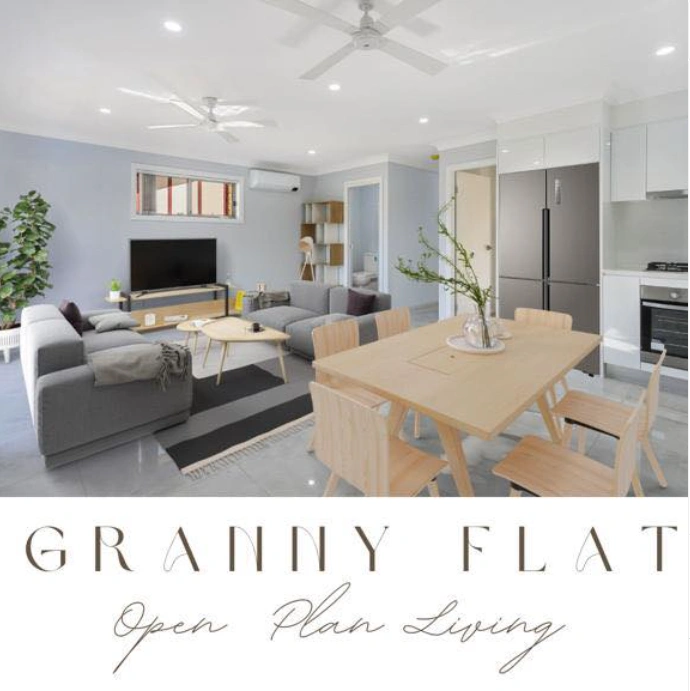
Comfort is surprisingly difficult to define during the planning stage. Most people recognise discomfort once they experience it, yet many struggle to identify design issues before construction begins.
A successful granny house layout creates ease of movement, natural interaction between spaces, and a sense that the home works with occupants rather than against them.
It is very easy to fall into the trap of prioritising pretty magazine photos over how a home actually functions. Open-plan layouts are still a massive favourite, and rightfully so, but ripping out too many walls can cause major acoustic and privacy headaches. Many builds work much better when a smart granny house layout creates a clear, subtle boundary between the bedrooms and the main living areas.
Sketching in your furniture is something that gets skipped all the time during early drafts. A bedroom or lounge might technically pass the council’s minimum size regulations while still being a complete nightmare to lay out in real life. Plenty of people have built beautiful spaces only to realise that without exploring functional granny flat layout ideas Sydney projects can leave you with nowhere logical to put a couch, a dining table, or a chest of drawers.
Open Living Concepts And Their Hidden Trade-Offs
Keeping things open-plan is still the biggest talking point in design circles, especially here in Sydney, where maximising your footprint is everything. Integrating granny flat design Sydney standards helps you find clever granny flat layout ideas Sydney property owners use to get rid of bulky.
The benefits are real, but some design advice oversimplifies the concept. Open planning is not automatically superior in every situation. Noise travels further, private activities become more visible, and temperature control can become slightly more challenging depending on the configuration. Families with different schedules sometimes discover that complete openness creates practical tensions.
A truly balanced granny house layout is all about finding a middle ground rather than rushing into design extremes. By being smart about room placement, using partial screens, or zoning spaces intentionally, you can keep that airy, open feel without giving up your privacy.
The most successful builds usually find that sweet spot right between a rabbit warren of tiny rooms and a completely exposed hall. That balance isn’t always what looks flashiest in a brochure, but it’s what works best to live in.
Why Granny House Layout Matters More Than Ever in Sydney
Many homeowners focus heavily on finishes, colours, and fixtures. While these elements certainly matter, the floor plan usually determines how comfortable a property feels over the long term.
A carefully planned granny house layout Sydney design can provide:
- Better privacy
- Improved natural airflow
- More storage
- Greater flexibility
- Enhanced resale value
- Higher rental appeal
In Sydney’s competitive property market, functionality often becomes the deciding factor between an average granny house and an exceptional one.
Managing Storage Before It Becomes A Costly Problem
Storage rarely receives the same attention as kitchens or bathrooms during early planning. Unfortunately, storage deficiencies become obvious very quickly after occupancy.
Once everyday belongings arrive, many homeowners realise they underestimated how much space routine living actually requires. The consequences are usually clutter, reduced functionality, and expensive retrofitting attempts.
A classic mistake that happens over and over is cutting out storage just to make a bedroom or living room look a fraction larger on a drawing. It feels like a smart trade-off when you are reviewing the initial sketches because big, empty spaces look great on a page. Fast-forward a few months after handover, and the lack of wardrobes, linen closets, or broom cupboards becomes incredibly frustrating.
A well-thought-out granny house layout weaves storage seamlessly into the fabric of the building instead of just jamming it into leftover corners. Going with custom built-ins almost always gives you a cleaner, more streamlined finish than trying to fit bulky freestanding wardrobes later. The aim isn’t to line every single wall with cupboards; it’s simply about making sure everyday items have a proper home.
Granny Flat Floor Plans Australia: Key Design Features
Leading granny flat floor plans Australia projects often include:
| Feature | Benefit |
| Open-plan living | Better space efficiency |
| Energy-efficient windows | Lower energy costs |
| Flexible bedrooms | Adaptable living |
| Outdoor connections | Improved lifestyle |
| Storage solutions | Better organisation |
Natural Light Decisions That Affect Long-Term Costs
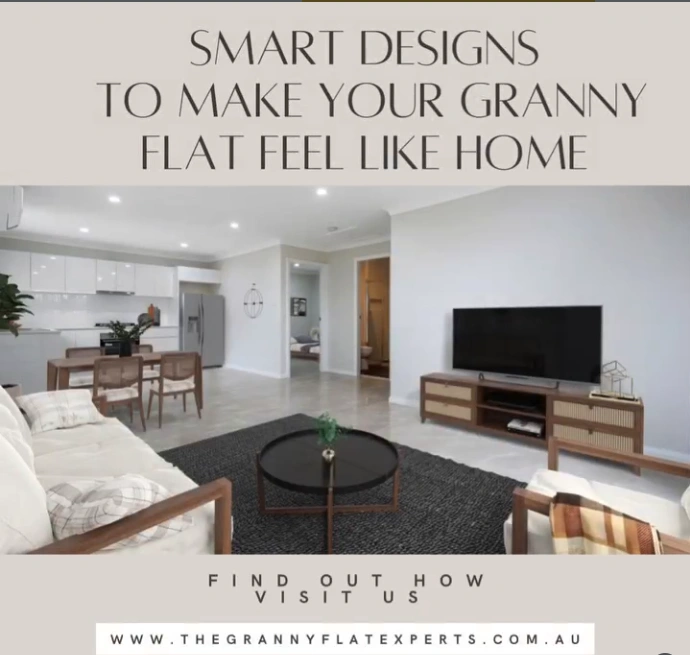
Natural light influences far more than aesthetics. It affects energy consumption, perceived room size, occupant comfort, and even rental appeal. Despite that, orientation and window placement are often discussed later than they should be. By the time these considerations receive serious attention, major planning decisions may already be locked in.
A dwelling that receives consistent daylight generally feels more inviting and requires less artificial lighting. The savings from passive design are rarely dramatic in a single month, but they accumulate steadily over time. Better orientation can also improve winter comfort, lower heating needs, and satisfy practical secondary dwelling design requirements. These benefits often cost very little when addressed early.
The tricky part is that the perfect solar orientation doesn’t always match up with your block’s limitations. Two-story neighbours, boundary setbacks, access paths, and overlooking issues all create competing headaches. A practical granny house layout accepts these hurdles from day one while still hunting down every drop of natural light it can get.
Balancing Rental Appeal Against Personal Lifestyle Goals
Pocketing a steady stream of rental income is easily the biggest driver for Sydney property owners building a backyard home. However, it’s easy to get so tunnel-visioned on tenant-specific features that you lose sight of your overall property goals. The best investments happen when you strike a clean balance between drawing a premium rent and building something functional, durable, and highly flexible for your own future use.
Investors love to chase maximum yields on paper by trying to pack as many features as humanly possible into a tiny footprint. Trying to force in extra micro-rooms or aggressive layout changes might look incredible on a financial spreadsheet, but in reality, it ruins the flow of the home and complicates the build. A property that feels awkward or cramped to live in rarely keeps quality tenants long-term, killing its true earning potential.
A smart granny house layout understands that your financial return is directly linked to the liveability of the home. Tenants want decent privacy, plenty of natural light, and sensible storage just as much as an owner-occupier would. Building with those core pillars in mind ensures your property stays in high demand even if the rental market shifts. Cutting corners for a quick buck today often builds in permanent flaws that are incredibly expensive to fix later.
A well-thought-out granny house layout also makes your life a lot easier when it comes to ongoing upkeep. Placing your plumbing lines in accessible spots, picking hard-wearing materials, and keeping the layout simple means repairs are quick and hassle-free. Most property owners quickly realise that keeping maintenance costs low matters just as much as bagging a cheap initial build price.
Conclusion
A winning backyard build pairs everyday practicality with real comfort and future flexibility. In 2026, Sydney property owners prefer highly efficient floor plans, open layouts, and clever designs that turn every single square inch into usable space.
Whether leaning toward a small granny house layout, browsing custom granny house floor plans Sydney, or building a rentable 2 bedroom granny house layout, planning properly ensures a great return.
Ready to explore the perfect granny house layout for your Sydney property? Contact Us Today to speak with a trusted specialist and discuss customised solutions tailored to your specific goals, block size, and budget. Get an accurate quote and take the first important step towards creating a stylish, highly functional, and completely future-ready backyard granny house.
Frequently Asked Questions
1. What is the best granny house layout for Sydney homes in 2026?
The perfect layout for your yard comes down to your block’s total dimensions, what you are using it for, and your budget. Flowing living areas, multi-use bedrooms, and a great connection to a backyard deck are always the top choices. Sydney-siders are overwhelmingly choosing layouts that grab as much natural light as possible, protect their privacy, and offer long-term adaptability while ticking every box for local council or SEPP guidelines.
2. Is a 2 bedroom granny house layout worth building?
Opting for a 2 bedroom granny house layout is consistently one of the smartest financial moves you can make because it opens the doors to families, couples, and premium renters alike. That extra room gives you immense flexibility, whether you are renting it out or setting up a multi-generational living arrangement for elderly parents or adult kids. Most local owners find that a two-bedroom footprint offers vastly superior equity growth and rental returns compared to single-bed options.
3. How much space is needed for a small granny house layout?
A really well-thought-out small granny house layout can do wonders even when your backyard footprint is tight. By leaning into built-in storage solutions, open-plan living zones, loftier ceilings, and big, well-placed windows, you can make a compact floor plan feel totally unconfined. Even the tightest setups can feel amazingly comfortable and effortless to live in when they are built around your day-to-day habits and engineered to maximize the feeling of openness.
4. Are custom granny house layouts better than standard designs?
Opting for a completely custom granny house layout is almost always the smartest route if you’re stuck with an oddly shaped block, a tricky slope, or unique living requirements. Going down the bespoke path gives you the ultimate freedom to squeeze value out of every single inch of your property, engineer the layout for perfect privacy, and capture natural sunlight precisely where you want it.
5. What features should modern granny house designs include?
The absolute best modern backyard homes hitting the market right now showcase flowing open-plan living, highly sustainable building materials, loads of natural sunlight, adaptable bedroom layouts, private alfresco areas, and crisp, modern finishes. These details don’t just make the home an absolute pleasure to live in—they protect your investment, match your changing lifestyle, and drive up your property’s overall market value.
6. How do Sydney granny house builders help with layout planning?
Partnering with seasoned Sydney granny house builders means you’ve got professionals taking care of your soil testing, contour surveys, council DA or CDC paperwork, and engineered blueprints right from day dot. Their trade background takes every bit of guesswork out of tracking down the absolute best granny house layout Sydney solution for your specific piece of land and your investment budget.